
 EN
EN
The Financial Realities of Deck Equipment Upkeep in Maritime Operations
Managing commercial vessels across demanding maritime routes involves balancing rigorous schedules against mounting operational overhead. Among the various pieces of deck hardware required for cargo handling, heavy lifting assets represent a significant capital and maintenance investment. Specifically, when a jib crane undergoes continuous usage under punishing marine conditions, daily upkeep expenses can quickly escalate if managed reactively. Fleet managers and ship engineers constantly search for proven strategies to trim ongoing expenditures without compromising safety or structural integrity. Adopting a proactive stance toward equipment care—focusing on preventive measures rather than emergency repairs—is the single most effective way to lower the total lifecycle cost of a marine jib crane while ensuring uninterrupted cargo operations at every port of call.
Proactive Inspection Protocols for Early Wear Detection
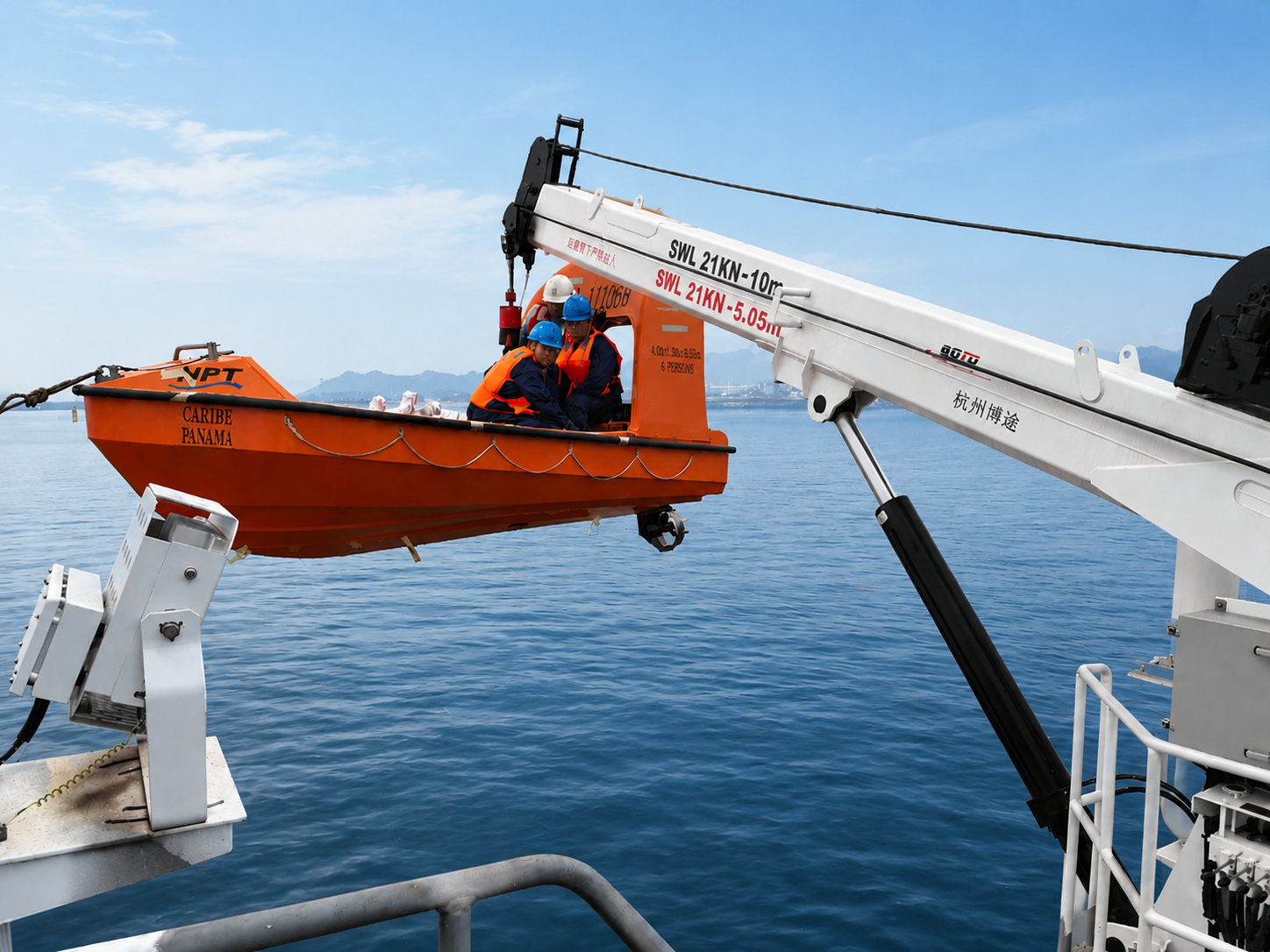
Practical deck experience consistently demonstrates that the cheapest repair is the one performed before a component actually breaks. Establishing a disciplined daily and weekly inspection routine for the jib crane allows maintenance crews to identify early warning signs such as hairline cracks, bolt loosening, or abnormal pin wear. Salt spray and high humidity accelerate galvanic corrosion on exposed structural joints and electrical enclosures, making regular freshwater washing and anti-corrosion coating vital. By catching minor fastener looseness or initial coating breakdown early, engineers can apply simple, low-cost fixes before these minor issues snowball into major structural failures that demand expensive dry-dock interventions or specialized contractor deployments.
Optimizing Lubrication and Fluid Management Strategies
Friction is the silent enemy of mechanical efficiency, directly driving up energy consumption and accelerating component degradation in heavy machinery. Ensuring proper lubrication across all slewing rings, pivot pins, and hoist winches is a cornerstone of cost-effective maintenance for any operating jib crane. Maintenance teams must adhere strictly to recommended grease types and application intervals, preventing dust and moisture contamination in the grease pathways. If the unit relies on a hydraulic power system, regular fluid analysis checks help detect microscopic metal wear particles and moisture infiltration before they ruin expensive pumps or valve blocks. Keeping the moving parts of the jib crane properly serviced with high-grade lubricants drastically cuts down friction-induced wear, saving thousands of dollars in premature replacement parts.
Operator Training and Operational Best Practices
Human error and aggressive handling habits account for a surprisingly high percentage of premature mechanical failures in marine lifting equipment. Educating deck crews and crane operators on smooth acceleration, controlled slewing, and strict adherence to safe working load limits is an essential, zero-cost method to reduce maintenance expenditures. Snatch loading, sudden reversing, and overloading place immense stress on the structural boom and wire ropes of a working jib crane, leading to stretched cables, cracked welds, and blown hydraulic seals. Implementing standardized pre-operational checklists and encouraging mindful operation minimizes shock loads, preserves the structural lifespan of the jib crane, and dramatically reduces the frequency of unexpected breakdown repairs during revenue voyages.
Securing Long-Term Asset Durability and Manufacturing Excellence
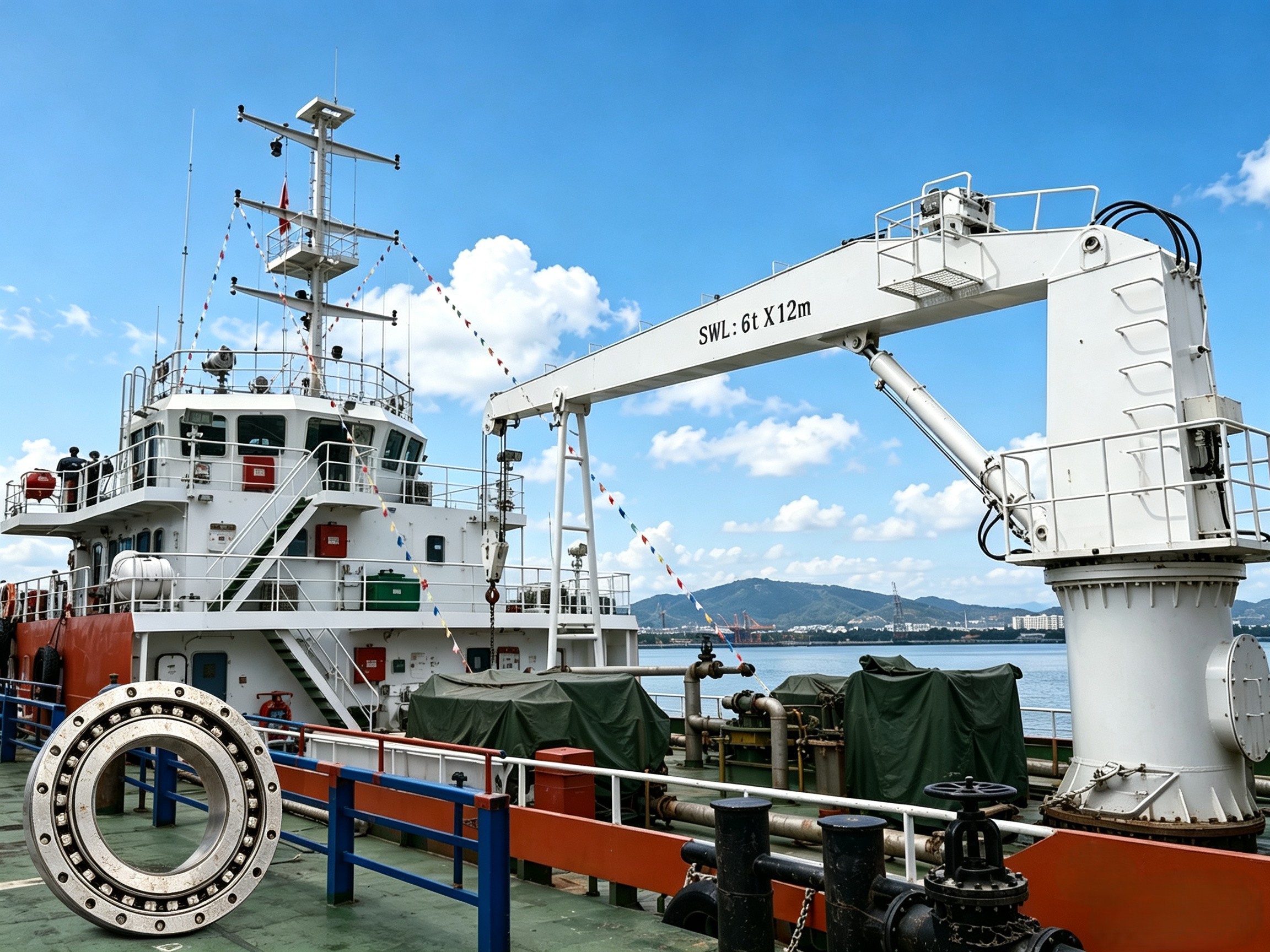
Achieving sustainable cost reductions in fleet management requires more than just careful onboard upkeep; it requires partnering with a dependable manufacturing enterprise known for superior engineering and robust supply chain support. Wavehigh stands firmly at the forefront of industrial manufacturing, combining advanced precision machining, stringent quality assurance protocols, and a comprehensive global service infrastructure designed to support maritime clients worldwide. By maintaining an extensive inventory of certified original replacement components and delivering elite technical support, Wavehigh ensures that every vessel operator receives end-to-end assistance—ranging from initial structural design and heavy manufacturing to rapid spare parts delivery and lifetime maintenance guidance. Investing in proven manufacturing pedigree and dependable global logistics transforms routine maintenance into a seamless, highly manageable process, safeguarding vessel operational budgets and maximizing asset durability across demanding international shipping routes.