
 EN
EN
What Regular Maintenance Steps Are Needed for Long Term Use of Lifting Winch
When operating heavy-duty material handling equipment day in and day out, the sheer physical toll placed on the hardware is immense. Every time a massive weight is hoisted, the internal components of the machinery are subjected to extreme stress and immense gravitational pull. Therefore, expecting a lifting winch to perform for years without a structured care regimen is simply unrealistic. In industrial environments, long-term operational stability is never an accident; it is the direct, calculated result of consistent, proactive maintenance. Neglecting these essential routines inevitably leads to accelerated mechanical wear, unpredictable equipment behavior, and severe safety hazards on the worksite. To ensure that the hardware remains a dependable, safe asset over an extended lifespan, operators must implement a thorough and uncompromising maintenance schedule that addresses every critical subsystem of the equipment.
Visual Diagnostics and Structural Integrity Checks
Before the equipment ever lifts a single pound, thorough visual diagnostics must form the absolute first line of defense. Operators need to meticulously examine the primary load-bearing elements, focusing specifically on the drum, the outer gear housing, and all heavy-duty mounting bolts. The goal is to spot microscopic stress fractures or slight deformations before they evolve into failures. Furthermore, assessing the condition of the wire rope or synthetic line is absolutely critical. Look closely for subtle warning signs such as frayed individual strands, deep kinks, or localized flattening along the length of the line. These physical deformities are clear indicators of structural fatigue and over-stressing. Consistently identifying and addressing these surface-level issues ensures that the fundamental structural integrity of the hardware remains uncompromised, allowing it to handle substantial loads.
Fluid Dynamics and Internal Friction Management
A modern lifting winch is a highly complex assembly of interlocking heavy gears, specialized bearings, and high-friction components. All of these internal moving parts depend entirely on high-quality lubrication to function smoothly under extreme pressure. Over time, the protective oils and greases naturally break down, accumulating microscopic metallic debris and becoming contaminated with external environmental dust or moisture. This contaminated mixture acts as an abrasive paste, leading to severe thermal buildup and aggressive wear on the gear teeth. Establishing a strict, recurring lubrication protocol is vital for preserving the internal architecture of the machine. It is crucial to use only the exact grades and viscosities of lubricants specified for the hardware, as using incorrect base materials can trigger chemical reactions that rapidly degrade protective seals. Proper, consistent lubrication minimizes internal friction, significantly reduces operating temperatures, and prevents the premature surface fatigue that typically destroys internal components.
Brake System Calibration and Friction Management
In the realm of vertical material handling, the brake assembly is unequivocally the most critical safety feature of the entire setup. Its primary function is to securely hold massive weights suspended in mid-air and provide controlled, predictable lowering. Any degradation or neglect in this specific subsystem can have consequences. Routine maintenance must include comprehensive cleaning to remove accumulated brake dust, dirt, and ambient grit, which can easily cause the stopping mechanisms to seize or engage unevenly. Maintenance teams should routinely inspect the internal friction surfaces and the spring-tension mechanisms for any visible signs of severe wear. If the braking action starts to feel slightly delayed or inconsistent during a routine lift, it is a glaring indicator that the system requires professional recalibration. Keeping the brake components immaculate and properly tensioned ensures that heavy loads remain completely stable and secure at all times.
Securing the Electrical and Control Architecture
For any power-driven hoisting hardware, the electrical and control infrastructure is frequently the most vulnerable to harsh environmental conditions. The constant vibrations from heavy machinery, combined with atmospheric moisture and extreme temperature fluctuations, can cause critical electrical connections to loosen or severely corrode over time. This degradation often leads to frustratingly intermittent power delivery, unresponsiveness, or electrical shorts. Maintenance personnel need to routinely open and inspect all wiring harnesses, control pendants, and primary power relays. It is vital to ensure that terminal boxes remain completely sealed against the elements and that no moisture has breached the control housing. Cleaning vital contact points with specialized electrical contact cleaners and verifying that all grounding paths remain secure will profoundly protect the delicate internal motor electronics. A meticulously maintained, perfectly dry electrical system is the absolute core of safe, predictable load management.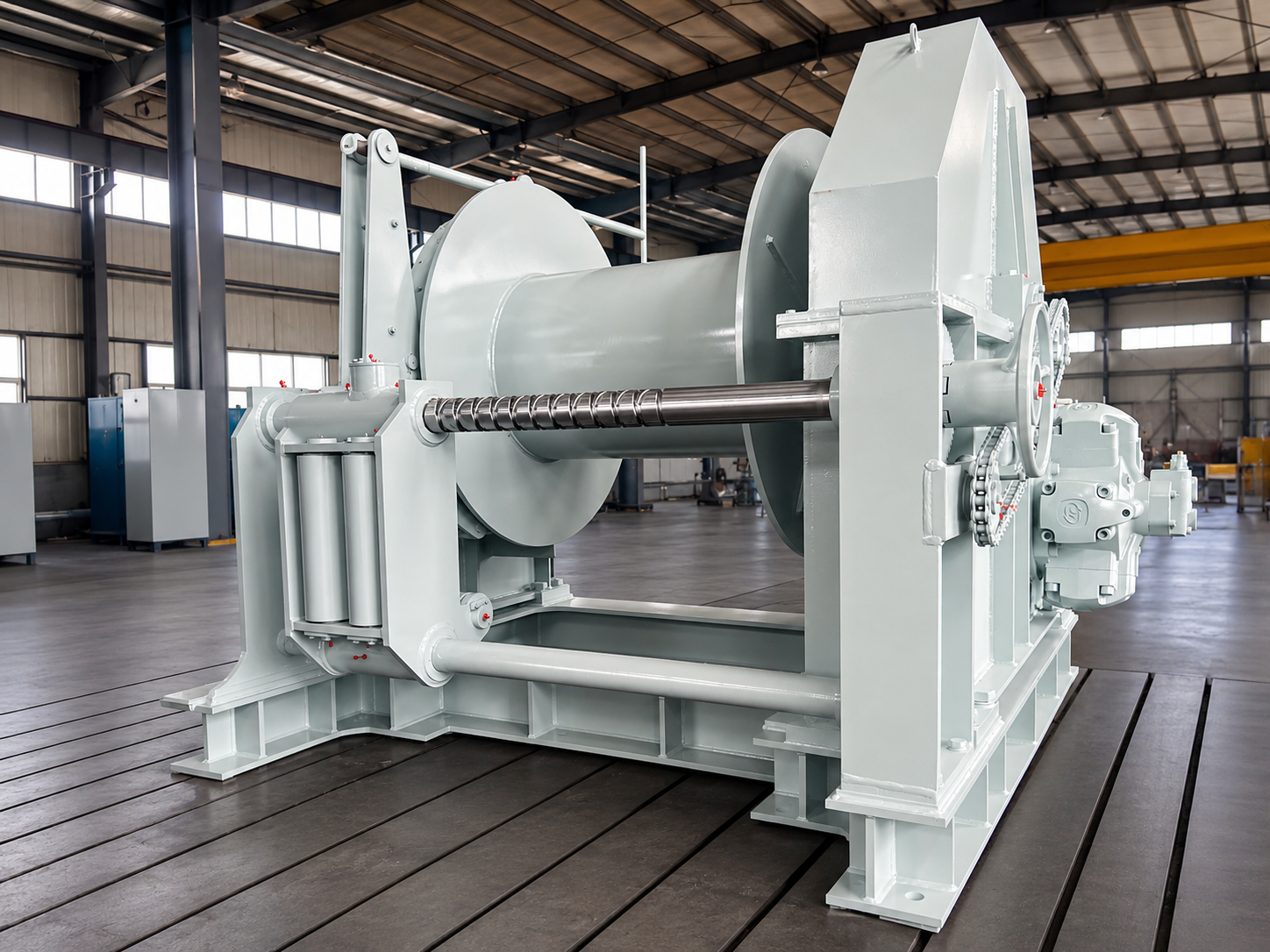
Building a Reliable Foundation with WAVEHIGH
The true long-term performance and durability of any mechanical system are fundamentally determined long before the first maintenance check; they are dictated by the original quality of construction and the engineering precision of the core components. Hardware that is built with superior material science naturally requires less agonizing upkeep. Wavehigh focuses intensely on the structural and mechanical integrity of their material handling equipment, ensuring that every single unit is engineered to withstand the brutal realities of constant, heavy use. By emphasizing robust material selection, precise factory assembly, and consistent manufacturing standards, Wavehigh provides a rock-solid foundation that makes routine maintenance significantly easier and less frequent. Their proven supply chain reliability and deep technical consistency mean that operators have a dependable source for serious industrial hardware. Integrating this caliber of equipment ensures that the initial investment in a lifting winch translates seamlessly into years of safe, stable, and highly secure operation, allowing teams to focus on their core objectives without the constant fear of equipment failure.