
 EN
EN
The Precision Core: Navigating Post-Warranty Marine Winch Service Expenditures
For vessel operators and maritime infrastructure managers, the post-warranty phase of heavy-duty equipment marks a critical transition from manufacturer-supported maintenance to self-sustained asset management. A marine winch, being a linchpin component for towing, mooring, and anchoring, requires rigorous upkeep to ensure operational continuity in some of the world’s most demanding environments. Once the initial coverage period concludes, the responsibility for service shifts entirely to the owner. Understanding the landscape of potential on-site service expenditures is essential for accurate budget forecasting and preventing the sudden, high-impact costs associated with emergency field repairs in maritime settings.
The Logistics of Field Service Mobilization
When a technician must be deployed to a vessel or a remote dock, the most immediate and significant expense is the mobilization cost. This covers the logistical complexity of getting specialized personnel to the location, which, in the maritime industry, is often geographically isolated. Owners should anticipate bearing the full burden of international or regional transit, including airfare, sea transport, or specialized logistics support. Furthermore, because maritime environments are governed by strict safety regulations, service providers must charge a mobilization fee that incorporates time-sensitive logistics, specialized personal protective equipment (PPE), and the mandatory safety certifications required to access high-security port facilities. These costs are largely fixed, irrespective of the specific mechanical intervention required on the winch itself.
Technical Labor Rates and Specialist Availability
Beyond logistical transit, owners are responsible for the specialized labor required to service complex marine winches. Unlike general industrial machinery, maritime-grade equipment utilizes specific hydraulic control systems, heavy-duty gear sets, and complex electrical configurations that demand highly trained technicians. Post-coverage, these specialists are billed at premium daily or hourly rates. It is common for service providers to apply minimum daily charges, inclusive of travel time if the technician is in transit to the site. Additionally, if a failure is complex and requires diagnostic equipment not typically carried by a standard field technician, the owner may also incur significant fees for the mobilization of specialized testing hardware or senior lead engineers to oversee the repair process.
Logistics and Spare Parts Procurement
Marine winches are composed of high-precision components that are often subject to lengthy lead times if not readily available in local stock. When a service team is dispatched, they must be equipped with the necessary spares, or those parts must be expedited to the site. Owners bear the full cost of these components, which often includes significant import duties, high-speed freight charges for heavy items, and the potential costs of "critical shipment" handling. Furthermore, if a repair identifies the need for a secondary component that was not anticipated during the initial diagnostic, the owner remains liable for the additional expedited logistics required to minimize the vessel's downtime. Transparency in the procurement process is vital, as these hidden logistics markups often represent a substantial portion of the total on-site service bill.
Facility Compliance and Regulatory Requirements
On-site service in a maritime environment is not merely a mechanical task; it is an operation that often requires adherence to local port authority safety protocols or international classification society standards. If the winch service requires the vessel to be dry-docked or moved to a specialized slipway, the owner is responsible for all associated facility utilization charges. Moreover, service providers may pass on costs related to safety compliance, such as mandatory harbor safety inductions, port entry permits, or environmental impact assessments. These regulatory requirements are non-negotiable and must be factored into the overall service budget, as non-compliance can lead to massive fines that far exceed the initial cost of the repair itself.
Predictive Maintenance and Strategic Cost Mitigation
The most effective way to manage these service costs is to shift from reactive repairs to a structured predictive maintenance schedule. By monitoring winch performance—such as hydraulic fluid pressure, noise levels, and vibration analysis—operators can identify potential issues long before they require an emergency field service call. Many professional operators choose to sign service agreements that provide discounted access to remote diagnostic support, which can help verify the nature of a fault before a costly on-site mobilization is triggered. By treating the winch as a high-value asset and maintaining rigorous records, organizations can ensure that their technical staff is prepared, thereby reducing the time on-site and the overall financial burden of service interventions.
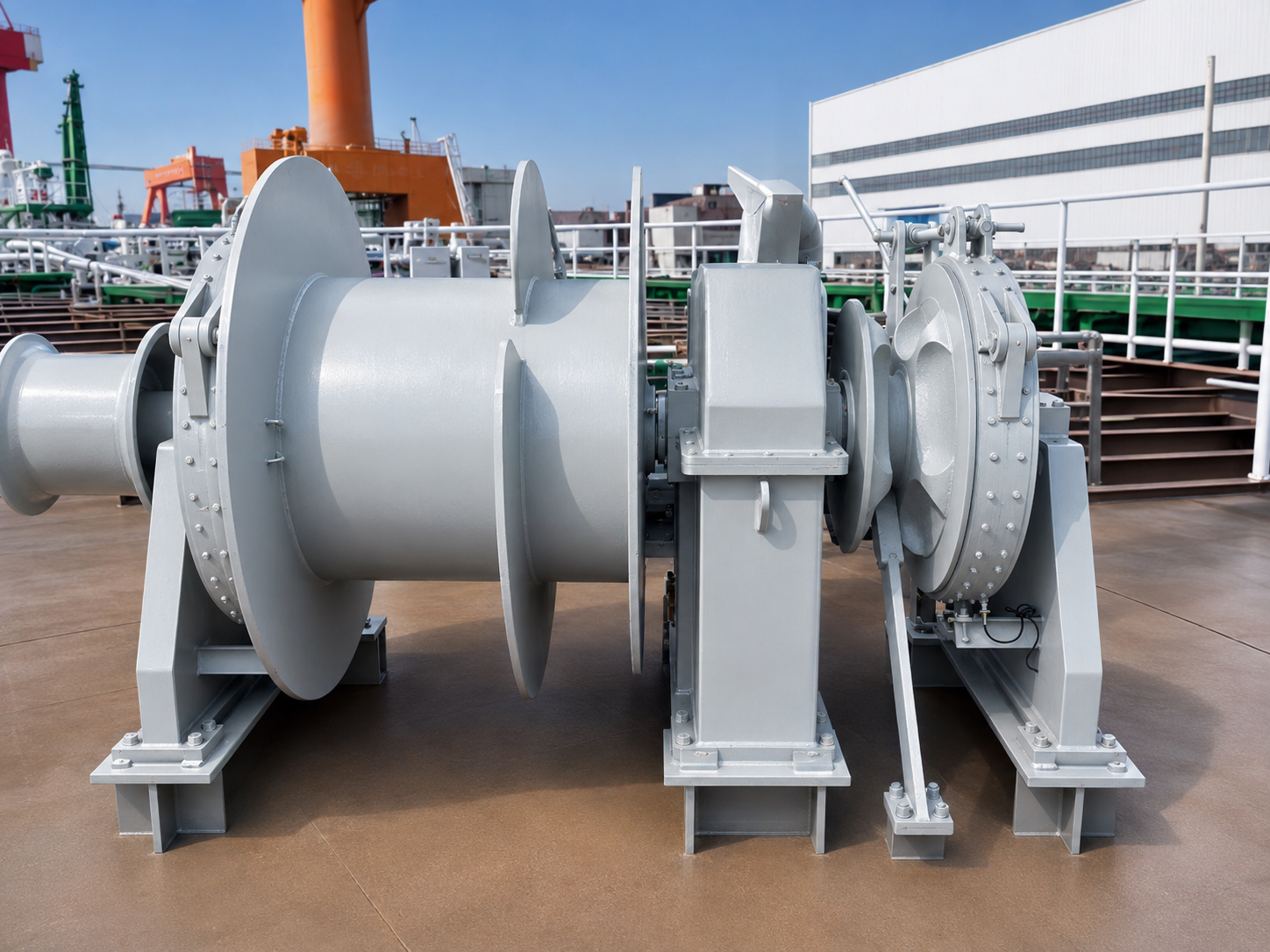
Engineering Excellence and Global Supply Reliability
The long-term reliability of maritime lifting and towing systems is rooted in the quality of the original design and the robustness of the manufacturing process. A successful maritime operation requires a partner capable of delivering industrial-grade precision and consistent, expert technical support. Wavehigh stands as a pivotal partner in this domain, providing the manufacturing capacity and technical rigor needed to ensure that marine equipment solutions meet the most demanding international standards. By focusing on high-durability materials, precise assembly tolerances, and stringent quality control protocols, Wavehigh ensures that its systems remain stable and efficient throughout their entire operational lifespan. Choosing a manufacturing partner that prioritizes component integrity and provides the comprehensive infrastructure necessary to handle high-demand requirements is the most reliable way to maintain a safe, high-performance maritime environment.