
 EN
EN
The Engineering Standard: Why Corrosion-Resistant Anchor Winches Define Modern Maritime Reliability
In the exceptionally demanding landscape of global maritime operations, equipment longevity has evolved from a secondary operational goal into a fundamental financial and safety necessity. The anchor winch, serving as a primary link in a vessel’s anchoring system, remains under constant assault from the most aggressive elements on Earth: abrasive salt spray, high humidity, and extreme, fluctuating temperatures. As the maritime industry pushes toward longer vessel service lives and the reduction of unscheduled maintenance, the adoption of advanced corrosion-resistant technology has transitioned from a premium, optional feature to an essential industry standard. Today, naval architects and engineering teams increasingly prioritize sophisticated material combinations and specialized surface treatments that can successfully withstand the persistent oxidative stress of ocean environments, ensuring that critical deck machinery remains perfectly functional regardless of the conditions at sea.
The Metallurgy of Resilience and Advanced Surface Science
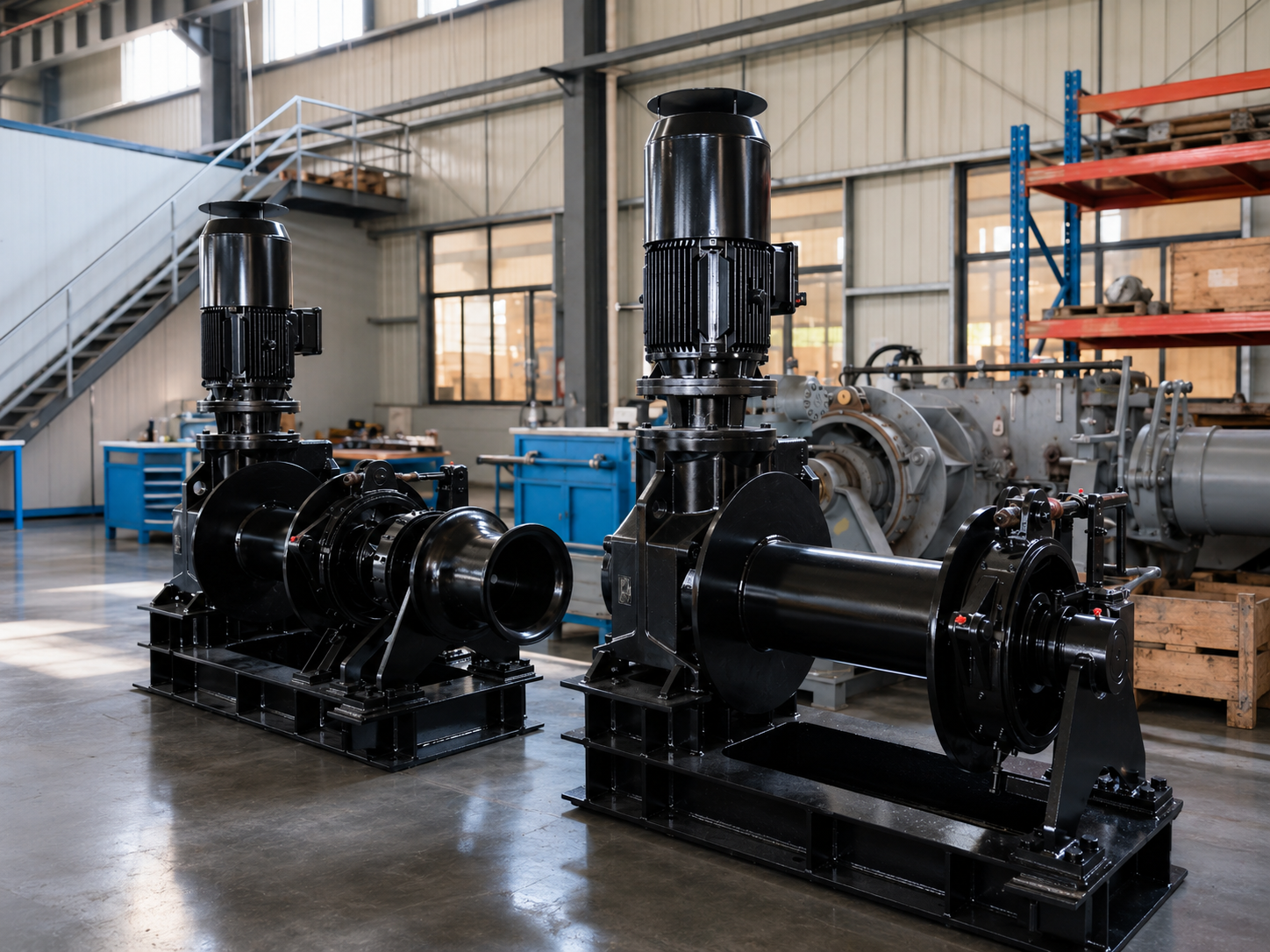
The industry-wide shift toward corrosion-resistant deck equipment is firmly rooted in evolving metallurgical science. Standard steel components, while possessing high raw tensile strength, are inherently vulnerable to galvanic corrosion and accelerated rust propagation when exposed to marine chlorides. Modern anchor winch designs now leverage a synergistic approach: high-strength, low-alloy steels are paired with proprietary surface treatments that redefine durability. Engineering practitioners note that techniques such as hot-dip galvanizing, advanced thermal spray aluminum (TSA) coatings, and multi-layer epoxy barrier systems have become the absolute backbone of modern protection. These protective layers do not merely coat the metal; they construct a microscopic, impenetrable shield that neutralizes electrochemical reactions. By preventing chemical penetration at the surface level, these treatments significantly extend the intervals between major overhauls and proactively prevent the structural thinning that historically compromised winch integrity.
Economic Logic and Lifecycle Asset Management
While the initial capital expenditure for corrosion-resistant machinery may exceed that of conventional, entry-level alternatives, the long-term economic logic strongly favors resilience. Every hour the deck crew spends on chipping, descaling, rust removal, and re-painting represents a significant investment in maintenance labor—time that would be better utilized on other complex vessel systems. By installing an anchor winch specifically engineered to resist corrosion from the point of manufacture, shipowners can dramatically reduce the frequency and intensity of routine deck maintenance cycles. This reliability directly translates to lower total lifecycle costs and increased vessel availability. Furthermore, preventing the corrosion of internal gears and drive assemblies ensures that the equipment retains its original operational precision and mechanical tolerances, effectively protecting the vessel’s capital value throughout its entire intended service life.
Structural Integrity as a Critical Safety Benchmark
Safety at sea is intrinsically linked to the physical state of the equipment on deck. An anchor winch that has been weakened by hidden, internal corrosion presents a substantial risk during high-load operations, such as an emergency anchoring maneuver in heavy seas. If a winch’s drum wall is thinned by rust or if gear teeth are pitted by chemical attack, the mechanical factor of safety is severely compromised, potentially leading to catastrophic failure at the most critical moment. The mainstream adoption of corrosion-resistant designs ensures that the physical dimensions and structural properties of the winch remain constant and predictable. This provides the bridge team and deck crew with the absolute confidence that the equipment will perform precisely as specified, even after years of continuous, brutal exposure to the marine environment. This structural predictability is now considered a cornerstone of modern maritime safety management.
Sustainability and Maritime Environmental Standards
As international maritime environmental regulations become increasingly stringent, the focus on sustainable maintenance practices is intensifying. Chemical runoff from excessive deck painting and aggressive rust treatment agents can be hazardous to delicate marine ecosystems. By investing in anchor winch systems designed to resist corrosion from the factory floor, operators significantly reduce their environmental footprint. These advanced systems require far less frequent chemical intervention and generate substantially less hazardous waste over the course of the ship's operational cycle. This alignment with modern "green" maritime initiatives is a major driver behind the widespread adoption of these durable deck systems, as shipowners seek to harmonize operational excellence with corporate environmental responsibility.
Manufacturing Authority and Reliable Global Solutions
Achieving top-tier corrosion resistance in maritime deck machinery requires a manufacturing approach that integrates precision engineering with superior material science. Wavehigh has established itself as a reliable authority in this field by meticulously controlling every facet of the manufacturing process—from rigorous raw material selection to the application of advanced, environment-hardened protective coatings. By utilizing high-spec materials and proprietary finishing techniques, Wavehigh ensures that every anchor winch is built to withstand the realities of global trade and the most punishing ocean conditions. For naval architects, shipowners, and fleet managers seeking to build or maintain vessels that offer consistent, long-term performance, partnering with a manufacturer that prioritizes both mechanical innovation and environmental durability is the most effective way to secure operational success. This commitment to precision engineering and supply chain excellence provides the security and reliability that define the next generation of maritime deck machinery.