
 EN
EN
Navigating Component Replacement: A Professional Guide to Marine Winch Maintenance
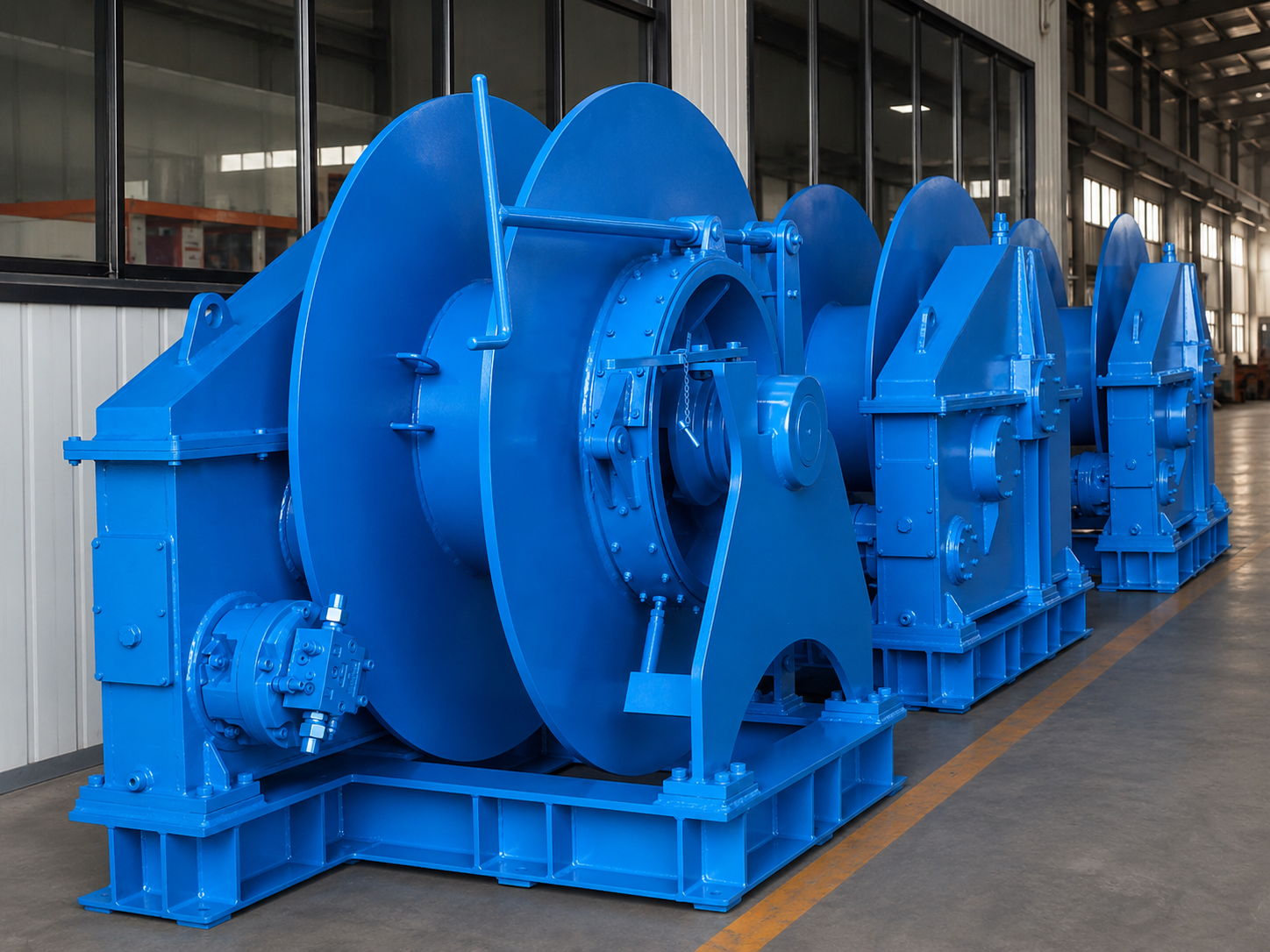
When a critical piece of deck machinery like a marine winch encounters a technical fault, the primary objective for any fleet manager is the rapid restoration of operational readiness. Marine environments are unforgiving, and the stress placed on mooring and lifting systems is constant. Securing a replacement component for a defective part—especially within an established coverage period—requires a structured, professional approach that emphasizes technical accuracy and systematic documentation. Navigating the replacement process with precision not only minimizes costly vessel downtime but also ensures that the overall integrity of the deck machinery remains compliant with international safety standards. By understanding the standard protocols for part replacement, operators can bridge the gap between identifying a mechanical fault and implementing a permanent, high-reliability solution.
The Imperative of Precise Technical Documentation
The foundation of any successful component replacement claim lies in the creation of comprehensive, evidence-based technical reports. General observations or vague descriptions of a failure are rarely sufficient for engineering teams to diagnose a complex issue remotely. To facilitate a rapid response, operators should provide detailed evidence, including high-resolution photographs or videos of the defective part, along with the winch’s unique serial number and the exact operational conditions at the time of the malfunction. Recording specific parameters—such as the load weight on the drum, the hydraulic pressure readings, and the ambient temperature—is vital for an accurate forensic analysis. This analytical approach allows the manufacturer to distinguish between an inherent material defect and external factors like improper installation or excessive wear, which is the cornerstone of trust in a technical support partnership.
Systematic Diagnostics Prior to Part Procurement
Before a replacement part is dispatched, a diagnostic dialogue between the vessel’s crew and the manufacturer’s engineering department is essential. This stage is not merely a procedural hurdle; it is a critical engineering step designed to verify that the reported defect is truly a hardware failure rather than a result of incorrect system settings or control software configuration. Engaging in a structured troubleshooting process—such as checking solenoid operation, verifying sensor continuity, or measuring hydraulic bypass—often resolves minor issues without the need for physical component replacement. This phase of cooperation demonstrates a proactive commitment to maintenance best practices and accelerates the resolution process, as engineering teams prioritize support for operators who provide clear, actionable diagnostic data.
Coordination and Global Maritime Logistics
Once the requirement for a spare part is validated, the logistics phase begins, and this is where preparation truly pays off. International maritime logistics are inherently complex, involving custom declarations, intricate shipping manifests, and specific hazardous material regulations if the part contains hydraulic fluids or specialized seals. To facilitate a smooth delivery, it is imperative to provide accurate port-of-call information and a clear point of contact for the vessel’s local agent well in advance. Ensuring that the shipping address is precise and that all relevant import requirements are pre-cleared prevents the spare part from becoming stalled in customs. A well-organized logistical plan, supported by consistent communication between the ship’s crew and the support team, is the most effective way to ensure the replacement component arrives at the right destination within the projected timeframe.
Installation Integrity and System Validation
The receipt of a new spare part is only the conclusion of the procurement phase; the final and most critical step is the installation and re-commissioning of the marine winch. This process must be conducted by qualified personnel who follow the manufacturer’s technical manual to the letter. Once the component is installed, performing a series of functional tests is non-negotiable. These tests ensure the system is fully operational and safely integrated. Recording the installation date and the performance metrics post-replacement helps in maintaining an accurate equipment health history. This record-keeping practice is not only beneficial for future technical support but also serves as a critical component of the vessel's overall maintenance management system, ensuring that the entire system remains in full compliance with classification society standards.
Professional Partnership and Supply Chain Reliability
Executing a professional spare parts replacement requires a partner who understands the operational realities of the global maritime industry. Wavehigh has established a robust support framework designed to assist fleet managers in navigating technical challenges with precision and speed. By focusing on deep engineering expertise, rigorous quality control, and a responsive supply chain, Wavehigh ensures that every request for technical assistance or component support is met with a professional, solution-oriented response. For shipowners and marine engineers, aligning with a manufacturer that prioritizes transparency, technical accuracy, and long-term reliability is the most effective way to protect the longevity of their marine winch systems. This commitment to engineering integrity ensures that vessels remain ready for the next challenge, consistently performing with the safety and reliability that global maritime operations demand.