 EN
EN
Engineering Excellence and Coverage: Protecting Your Mooring Winch Investment
Investing in a high-capacity mooring winch is a critical decision that influences the safety, efficiency, and overall operational continuity of any maritime fleet. Beyond the technical specifications and raw pulling capacity, the real-world value of such an asset is measured by its long-term reliability. A structured eighteen-month coverage period acts as a testament to the engineering philosophy behind the machinery. It provides vessel owners and operators with a strategic safety net, ensuring that the equipment operates within its certified parameters while minimizing the risk of unplanned financial and operational disruptions. Drawing from years of field inspections and analysis of deck machinery performance, it is clear that such coverage is not just an administrative detail—it is a marker of manufacturing maturity and quality control.
The Engineering Foundation of Reliable Coverage
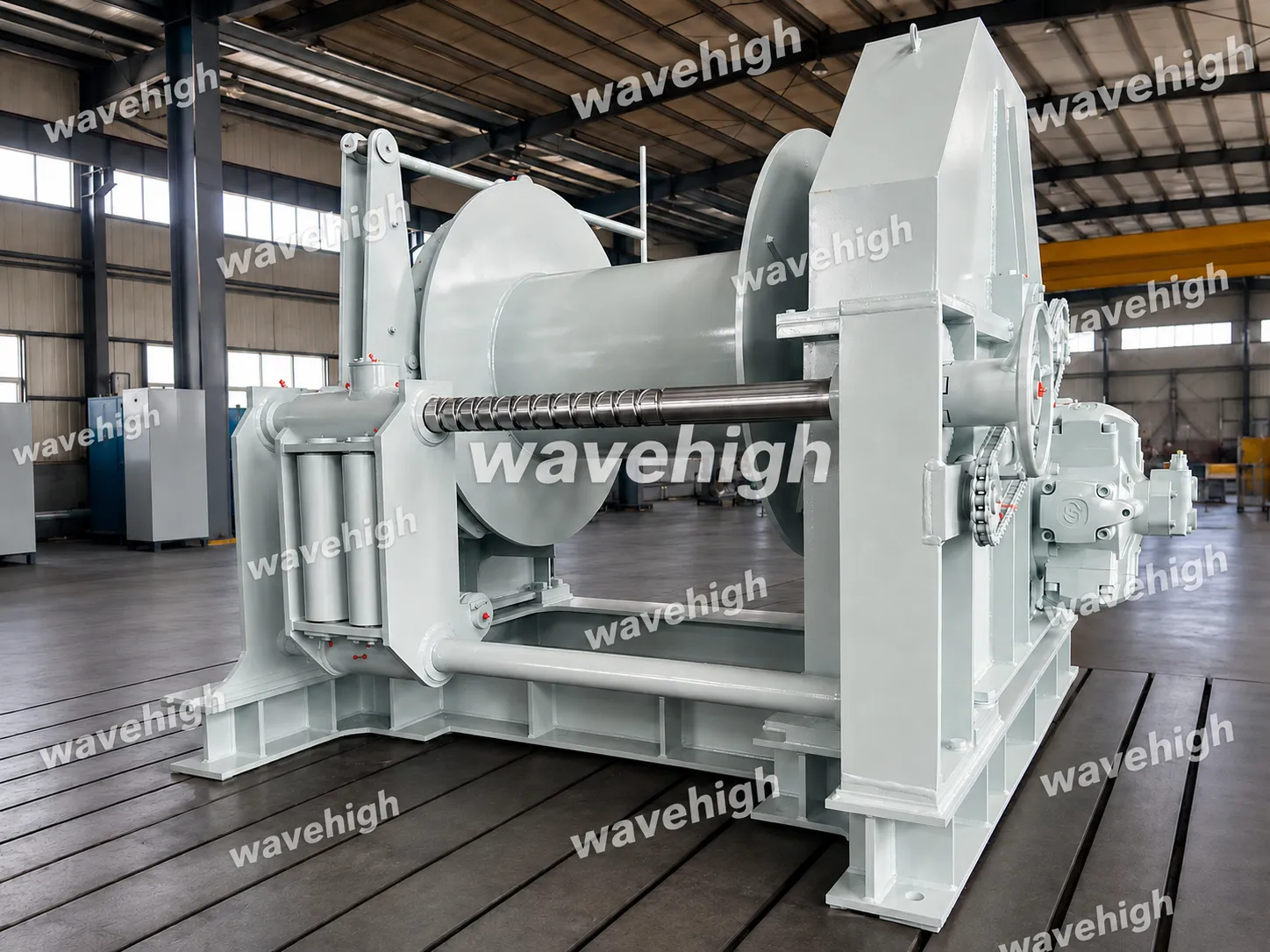
When a manufacturer offers an extended coverage period, it serves as a high-confidence signal regarding the structural integrity of the mooring winch. The core of this confidence lies in the metallurgical and casting processes utilized during production. Critical components such as the winch drum, the planetary gear train, and the main drive shafts are subjected to extreme, cyclic mechanical loads during every berthing operation. Engineering excellence in these areas involves precise material selection and advanced heat treatment protocols that prevent metal fatigue. Coverage, in this context, is designed to account for any unforeseen deviations in manufacturing quality, ensuring that shipowners can rely on the structural resilience of their winches from the moment of deployment.
Core Mechanical Systems and Operational Resilience
The resilience of a mooring winch is dictated by the interaction of its heavy-duty mechanical assemblies. In high-tension maritime environments, components like internal bushings, brake bands, and drive gear assemblies face constant wear. A comprehensive coverage framework ensures that if a component fails due to a design flaw or an assembly error, the path to resolution is both transparent and efficient. This focus on core mechanical health is vital. By protecting these components, the coverage plan safeguards the primary function of the winch: the ability to hold the vessel steady under the weight of surging tides and adverse weather conditions. It effectively bridges the gap between the initial factory specifications and the long-term performance required by modern commercial shipping.
Integrated Electronics and Hydraulic Precision
Modern mooring winches have evolved into highly sophisticated electro-hydraulic systems. The responsiveness of these winches relies on integrated load-monitoring sensors, high-pressure hydraulic control valves, and advanced electrical switchgear. These electronic and hydraulic elements are the "brain" of the mooring system. However, they are also the most sensitive to the harsh, salt-heavy maritime atmosphere. A well-defined protection plan includes these control systems to ensure that any issue with hydraulic seal integrity or electrical control signals is addressed promptly. Ensuring that these components remain in top-tier condition is crucial for maintaining the precise tension control and operator responsiveness that define the difference between a standard winch and a professional-grade maritime system.
Proactive Maintenance as a Performance Multiplier
While coverage provides a critical safety net, the true longevity of a mooring winch is built on the foundation of consistent, proactive maintenance. The most effective operator teams treat equipment protection as a partnership with the manufacturer. By adhering to rigorous lubrication schedules, conducting visual inspections of gear housings, and verifying the tension settings of brake systems, deck crews act as the first line of defense. This proactive approach does not contradict the existence of coverage; rather, it maximizes its utility. Manufacturers prioritize support for operators who demonstrate a commitment to best practices, as this environment allows for the rapid identification and resolution of any technical concerns before they escalate into significant system failures.
Commercial Value and Supply Chain Excellence
Choosing a mooring winch from a manufacturer that stands behind its craftsmanship with a robust eighteen-month coverage period is a clear indicator of superior market positioning. Wavehigh leverages a vertical integration strategy that governs the entire lifecycle of the winch, from initial raw material procurement and precision CNC machining to final performance testing. By maintaining absolute control over every stage of the manufacturing supply chain, Wavehigh delivers deck equipment that meets the stringent safety and performance benchmarks required by global maritime classification societies. For fleet managers and vessel owners, partnering with a manufacturer that prioritizes both technical innovation and comprehensive field support is the most effective way to secure their operational investment. This commitment to quality, combined with professional technical support, ensures that every mooring winch provides maximum return on investment through sustained safety and long-term mechanical reliability in the world’s most demanding ports and oceans.