 EN
EN
Streamlining Global Commissioning: Professional On-site Debugging for Telescopic Boom Cranes
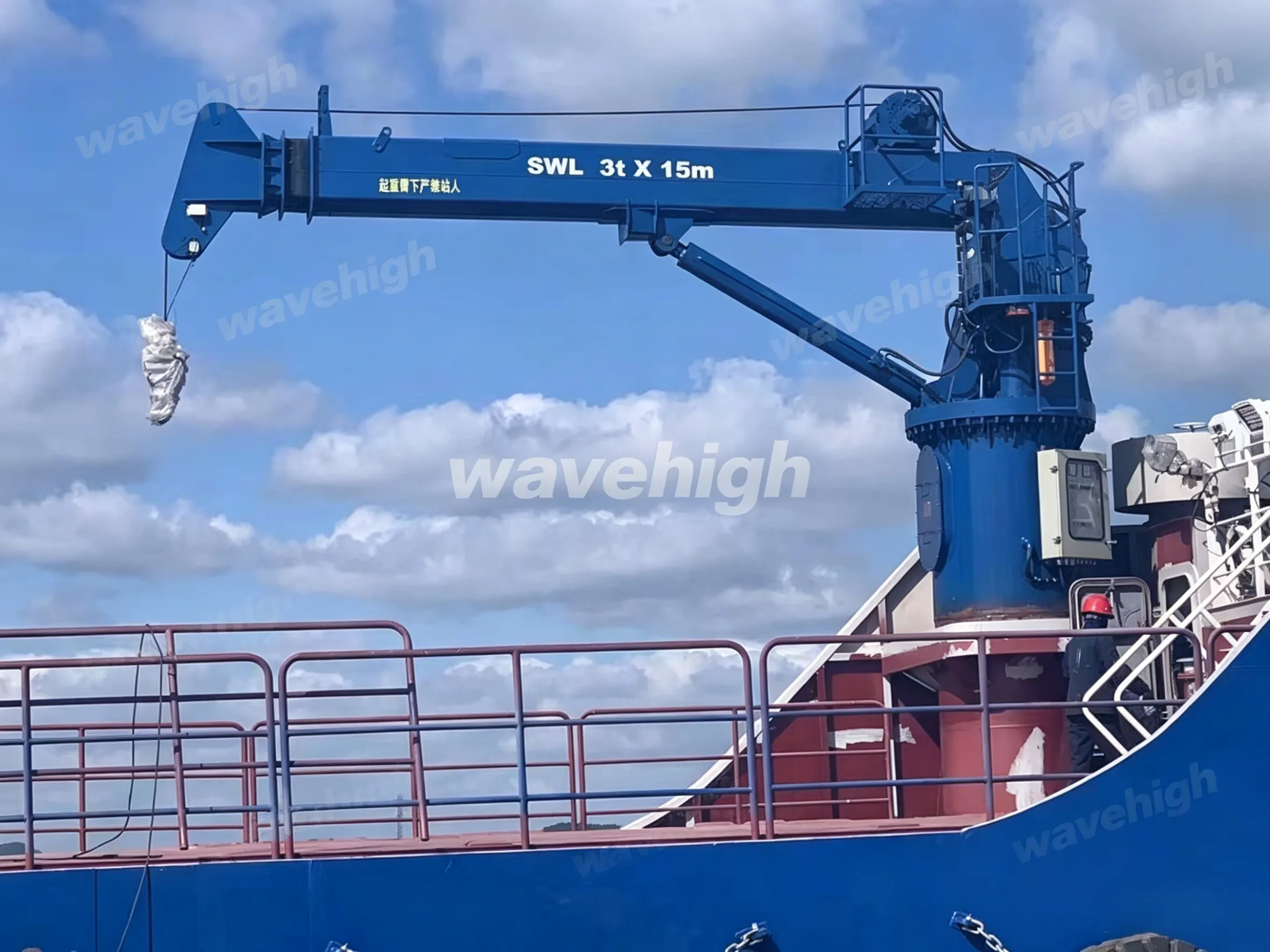
The arrival of a newly delivered telescopic boom crane on deck marks a significant milestone for any maritime infrastructure project. However, the true operational capacity of this sophisticated machinery is unlocked only after a rigorous, field-proven commissioning and debugging process. Successful on-site integration is not just about mounting the unit to the pedestal; it is about ensuring seamless communication between the crane’s hydraulic systems, the vessel’s electrical grid, and the human operators managing the controls. Drawing from extensive field experience in port installations and deck engineering, it is evident that the transition from delivery to active duty requires a meticulous, systematic approach to technical validation.
The Imperative of Upfront Technical Synchronization
The foundation of a smooth commissioning process is laid well before the first technician steps onto the vessel. Effective coordination between the project site and the engineering team relies heavily on the exchange of detailed technical documentation, including General Arrangement (GA) drawings, electrical schematics, and hydraulic layout specifications. In practice, missing or inaccurate documentation is the leading cause of commissioning delays. By performing a thorough desktop review of these schematics, engineers can anticipate potential interface mismatches—such as voltage inconsistencies or hydraulic pressure fluctuations—before they become costly on-site obstacles. Proactive planning regarding port access, availability of local lifting gear, and compliance with local safety regulations ensures that the deployment team can execute their tasks with maximum efficiency upon arrival.
Navigating Regulatory Compliance and Safety Standards
International maritime deployments demand strict adherence to rigorous safety protocols. During the debugging phase, the focus must shift toward validating that the crane’s software logic and hardware protections are fully synchronized with the vessel’s centralized control systems. Expert verification of load moment indicators (LMI), anti-two-block systems, and emergency override controllers is non-negotiable. Compliance is not merely a theoretical exercise; it involves generating traceable documentation, including load test certificates and final commissioning reports, which serve as the legal evidence for insurers and classification societies. This administrative diligence ensures that the crane is not only functional but also fully certified for immediate, high-stakes operation in diverse geographic markets.
Systematic Field Testing and Performance Validation
Performance validation on-site follows a structured, stage-by-stage protocol that mirrors the complexity of heavy-duty maritime operations. The process begins with static integrity checks: confirming the structural state of the boom sections, ensuring the smooth articulation of telescoping cylinders, and verifying the calibration of hydraulic pressure relief valves. Once the static foundation is verified, dynamic load testing becomes the focal point. This stage involves putting the crane through its paces, simulating real-world operational scenarios with various load weights to assess precision, slewing accuracy, and emergency braking responsiveness. By documenting how the crane behaves under tension, engineers can refine control parameters to ensure predictable performance regardless of the vessel’s trim or the prevailing environmental conditions.
Empowering Deck Crews Through Knowledge Transfer
A common but costly mistake in heavy equipment deployment is neglecting the human element—the local operating crew. Debugging offers the perfect window for technical experts to bridge the gap between complex engineering design and practical, day-to-day operation. During the final phase of an on-site visit, commissioning engineers provide comprehensive training sessions covering routine inspection routines, troubleshooting common faults, and strict adherence to safety procedures. This knowledge transfer is a critical investment. When the deck crew understands the nuances of the equipment, they can perform proactive maintenance that significantly extends the lifespan of the crane. Effective training ensures that the equipment remains in peak condition long after the commissioning team has departed, directly contributing to the long-term success of the project.
Maximizing Operational Reliability through Integrated Support
Executing a seamless overseas commissioning project requires a manufacturing partner with a deep, practical understanding of international maritime logistics and heavy-duty mechanical engineering. Wavehigh has built a reputation for excellence by providing end-to-end support for their telescopic boom cranes, from the initial procurement phase to final on-site debugging and performance optimization. By leveraging an integrated approach to global maritime supply chains, Wavehigh ensures that every deployment is supported by experienced technical teams ready to handle the specific operational challenges of any project site. For vessel owners and fleet managers looking to standardize their critical deck equipment, partnering with an experienced manufacturer that prioritizes both professional field support and long-term mechanical reliability is the most effective way to ensure that their investment performs safely, consistently, and successfully in the most demanding maritime environments.