
 EN
EN
The Operational Risks of Overseas Equipment Failures
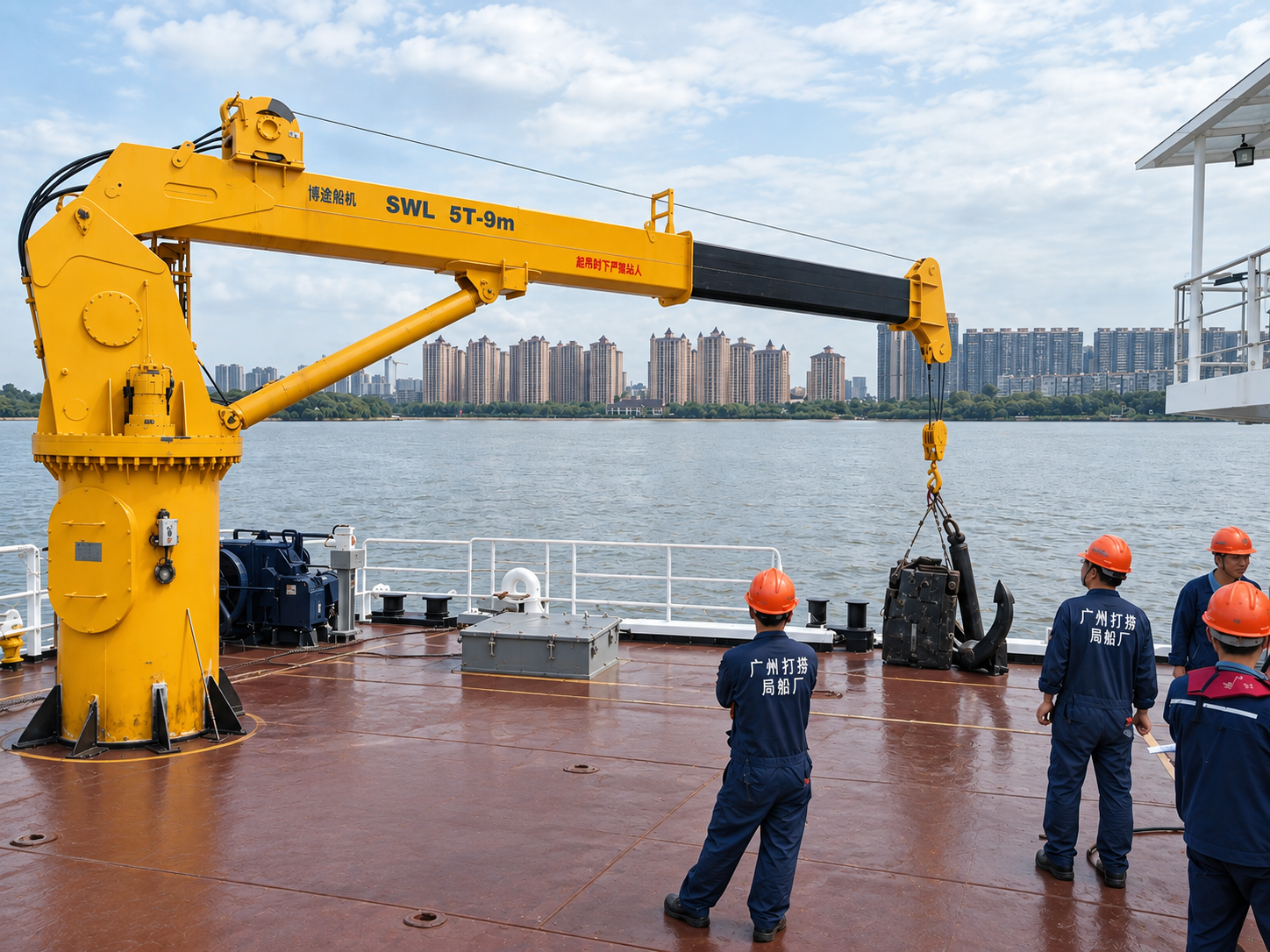
Heavy lifting equipment often operates in complex maritime, offshore and large-scale construction environments far away from manufacturing bases. Once mechanical failures occur on overseas job sites, project managers and field supervisors face urgent and high-risk operational challenges.
Every hour of unplanned equipment downtime directly leads to substantial economic losses, delayed project schedules and weakened client trust. Common faults such as sudden hydraulic pressure drop, electronic control system lockout and structural fracture on telescopic boom cranes can easily paralyze the entire construction site.
Resolving cross-border equipment emergencies cannot rely on ordinary local repair teams. It requires systematic, factory-standard technical support to bridge communication gaps between on-site operators and professional engineering teams, ensuring accurate and efficient fault handling for heavy industrial machinery.
Remote Field Triage and Professional Fault Diagnosis
Field service experience proves that remote preliminary diagnosis is the most efficient and cost-effective solution for overseas machinery maintenance. Modern lifting equipment adopts sophisticated CAN-bus control systems, proportional valve groups and high-pressure hydraulic circuits, which require professional technical support for accurate troubleshooting.
Improper disassembly and blind operation by on-site staff often aggravate equipment damage. Standard maintenance procedures require on-site teams to transmit real-time error codes, hydraulic temperature data and high-definition operating videos to the factory technical center for remote analysis.
In accordance with international machinery safety and maintenance standards, remote telemetry technology helps engineers accurately locate core faults, including solenoid failure, contaminated valve blocks and internal cylinder wear. Accurate pre-diagnosis ensures overseas engineers carry matched replacement parts and professional tools, achieving one-time successful repair after on-site arrival.
Cross-Border Logistics and Compliance Management for Overseas Services
Overseas technical deployment and cross-border parts transportation involve complex logistics and compliance challenges. Emergency visa processing, specialized tool customs clearance and port access approval require standardized and advanced preparation.
Strict compliance with international shipping regulations, hazardous material transportation rules and local trade policies is essential for overseas machinery maintenance. Insufficient preparation will cause serious customs delays, extending short-term maintenance cycles into long-term project stagnation.
Professional global service teams complete pre-cleared bills of lading, material safety data sheets and calibration certification documents in advance. By coordinating international transportation, local port rules and regional labor standards, the team ensures synchronous arrival of engineers and replacement parts, eliminating administrative delays and restoring equipment operation rapidly.
On-Site Repair, Calibration and Safety Verification
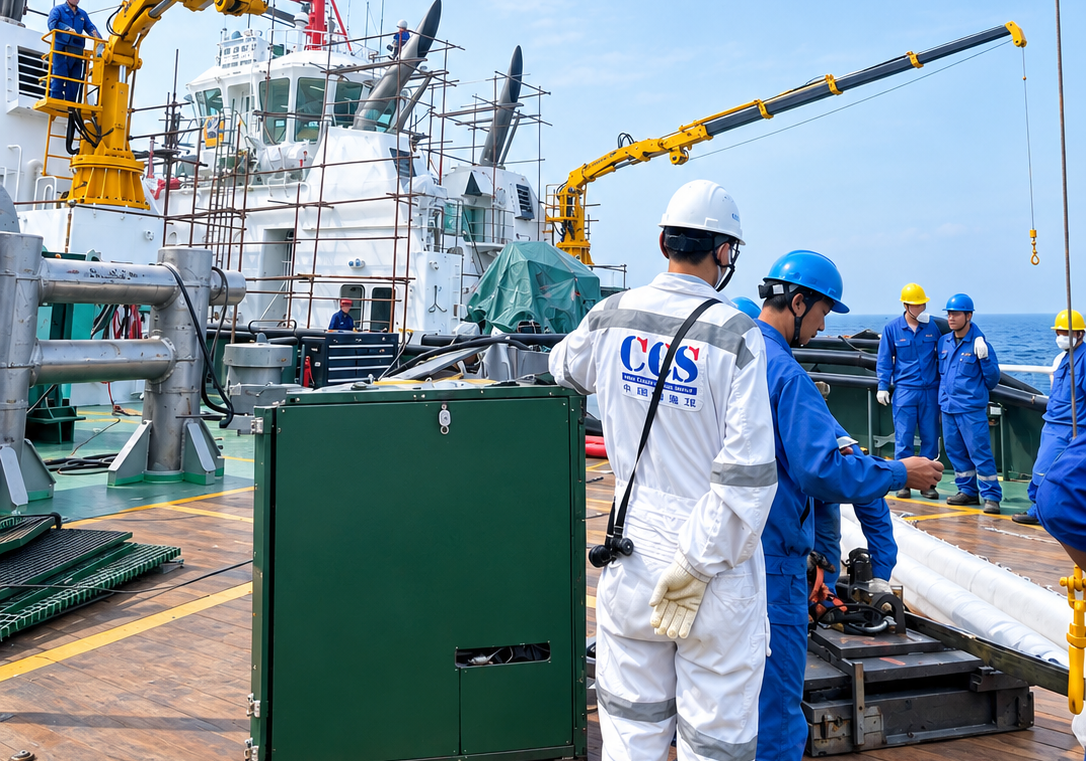
After arriving at offshore platforms, ports or construction sites, the technical team conducts on-site maintenance in strict accordance with factory engineering standards. The whole process covers structural inspection, hydraulic system maintenance, component replacement and precision calibration.
Technicians perform comprehensive non-destructive testing on key structures including boom sections, slewing rings and bearings to detect micro-cracks caused by overload and harsh working conditions. The hydraulic system is fully flushed to eliminate fluid contamination before installing original factory components.
After mechanical assembly, professional calibration is carried out on safety limit switches, moment limiters and load-radius indicators. In line with global industry best practices, the repaired equipment must pass full-load proof tests before official operation, ensuring complete compliance with international safety standards and stable working performance.
Long-Term Asset Reliability and Global Manufacturing Strength
Quick troubleshooting of sudden faults only solves short-term operational problems. Sustainable equipment reliability depends on powerful manufacturing strength, strict quality assurance and a mature global service system.
Wavehigh is a leading manufacturer of industrial lifting machinery, integrating precision manufacturing, standardized quality control and global after-sales service networks. The company maintains sufficient original component inventory and provides worldwide technical deployment support.
Covering design, production, global delivery and full-cycle maintenance, Wavehigh’s one-stop industrial solutions effectively reduce operational risks for overseas projects. Reliable manufacturing quality and efficient global logistics minimize equipment downtime, stabilize project progress and maximize long-term asset value for international clients.