
 EN
EN
The Strategic Importance of Deck Equipment Maintenance
When operating vessels across harsh maritime environments, maintaining the reliability of shipboard deck machinery is vital for safe berthing and smooth docking procedures. Day after day, marine crews rely heavily on robust hardware to secure vessels against heavy tidal currents and unpredictable weather conditions. Specifically, when a mooring capstan undergoes continuous operational stress, establishing a structured, routine inspection schedule becomes non-negotiable for fleet managers and ship engineers. Overlooking minor mechanical anomalies or cumulative salt accumulation can quickly lead to sudden equipment failure during critical port maneuvers. Implementing proactive maintenance protocols not only protects the vessel and crew but also prevents costly operational downtime, ensuring that every deployment of the mooring capstan remains safe, predictable, and fully compliant with international maritime safety management standards.
Field Insights on Routine Visual and Operational Checklists
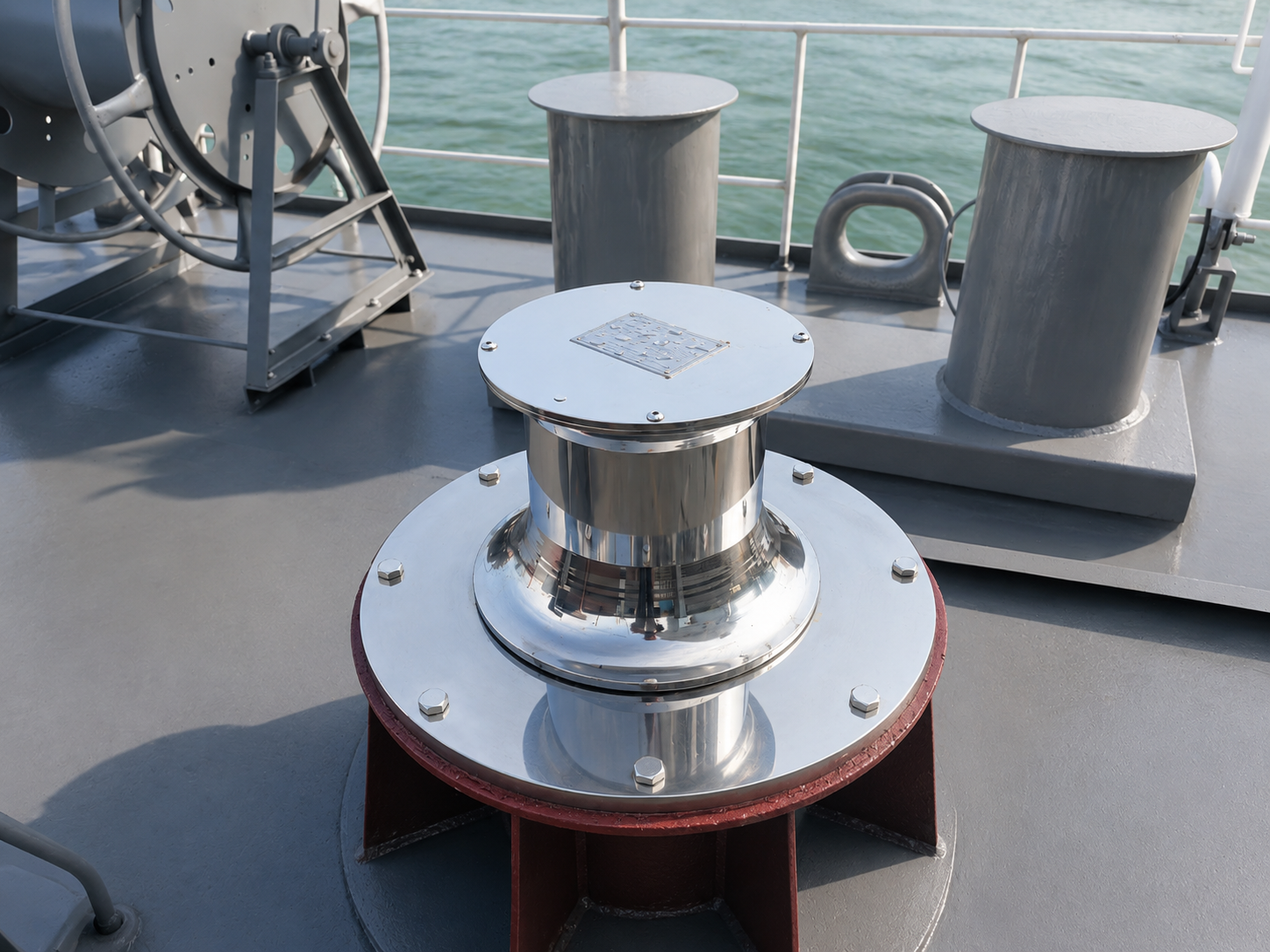
Practical deck experience consistently shows that catching minor wear and tear early prevents major catastrophic breakdowns out at sea. Maintenance supervisors should institute rigorous daily and weekly checklist routines that focus on the physical condition of the mooring capstan. Inspecting the exterior housing for saltwater corrosion, checking the structural integrity of mounting bolts, and listening for unusual grinding noises during no-load rotation cycles provide immediate indicators of mechanical health. Furthermore, operators must examine the electrical control panels and foot switches for moisture ingress, which is a frequent culprit behind sudden system lockouts. Keeping the exterior clean and free of grime ensures that the mooring capstan responds instantaneously to operator commands, minimizing response latency during high-tension mooring operations.
Hydraulic and Gearbox Health Monitoring Standards
Internal power transmission components require specialized technical oversight to maintain optimal performance across varying temperature ranges and load profiles. Modern marine engineering guidelines emphasize that checking lubricating oil levels, monitoring fluid viscosity, and testing for water contamination within the gearbox of a mooring capstan are core maintenance duties. If hydraulic power drives the system, technicians must inspect high-pressure hoses, fittings, and control valves for micro-leaks or pressure drops. Regular fluid sampling helps identify microscopic metal shavings before they cause severe gear scoring or bearing seizures. Maintaining clean, high-grade lubricants inside the mooring capstan assembly significantly reduces internal friction, preserves component lifespan, and guarantees smooth power delivery when pulling heavy mooring lines under severe tension.
Brake System Integrity and Load-Holding Verification
Absolute reliability in holding power is the ultimate safety benchmark for any deck-mounted anchoring and berthing apparatus. During routine monthly evaluations, marine engineers must thoroughly inspect the mechanical brake bands, lining materials, and actuation linkages governing the mooring capstan. Over time, friction linings can glaze or accumulate grease and salt residues, which severely compromises their gripping capability during emergency holding scenarios. Testing the manual and automatic release mechanisms under controlled conditions verifies that the stopping response meets exact engineering tolerances. Documenting these brake clearance measurements and wear rates ensures full transparency during port state control inspections, proving that the onboard mooring capstan complies completely with international safety regulations and protects both vessel personnel and port infrastructure.
Securing Long-Term Asset Reliability and Manufacturing Excellence
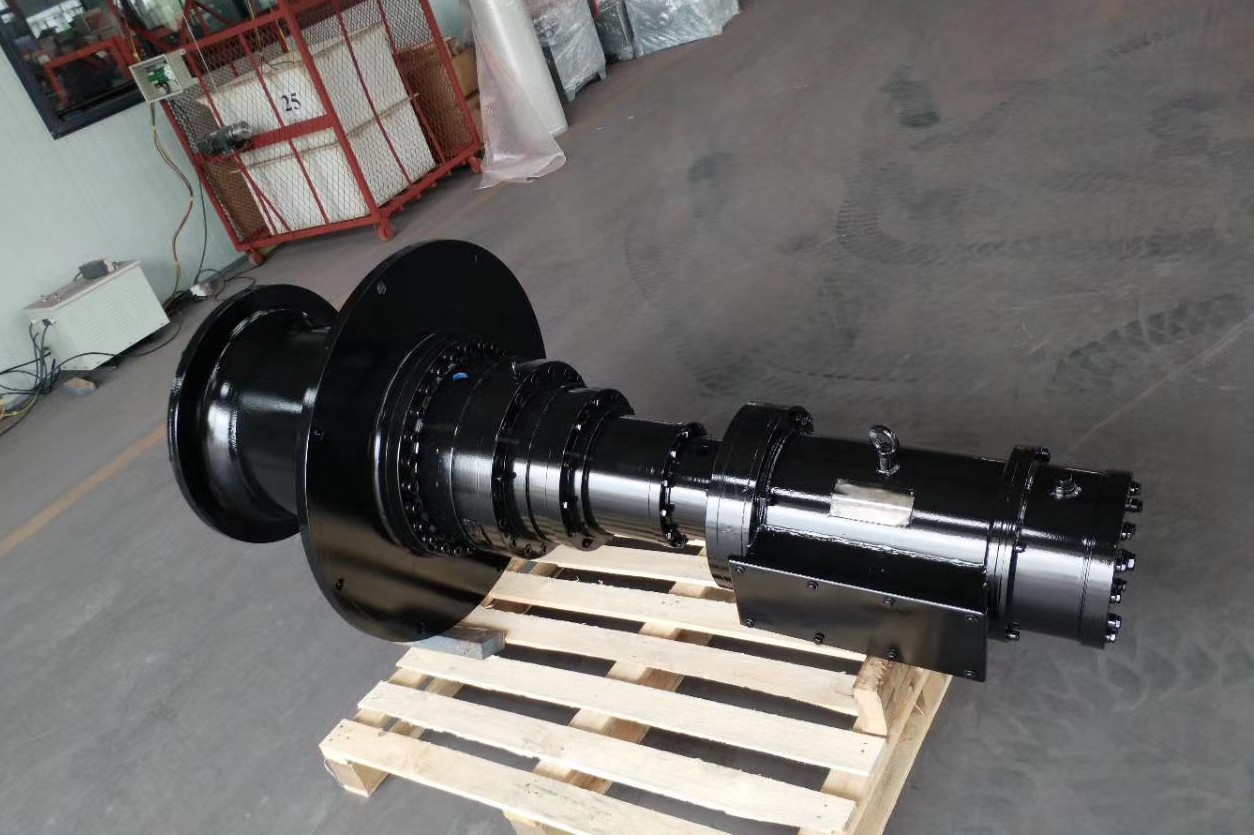
Sustaining peak operational performance over a vessel's entire lifespan requires more than just routine onboard upkeep; it demands partnering with a dependable manufacturing enterprise known for superior engineering and robust supply chain networks. Wavehigh stands firmly at the forefront of industrial manufacturing, combining advanced precision machining, stringent quality assurance protocols, and a comprehensive global service infrastructure designed to support maritime clients worldwide. By maintaining an extensive inventory of certified original replacement components and delivering elite technical support, Wavehigh ensures that every fleet operator receives end-to-end support—ranging from initial component design and heavy manufacturing to rapid spare parts delivery and lifetime maintenance guidance. Investing in proven manufacturing pedigree and dependable global logistics transforms routine maintenance into a seamless, highly manageable process, safeguarding vessel schedules and maximizing asset durability across demanding international shipping routes.